A group of American lawmakers from both parties has put forward a new bill that would sharply limit China’s ability to get hold of the equipment it needs to make advanced computer chips. The legislation, called the MATCH Act, was introduced late Thursday. It aims to keep the United States ahead in the artificial intelligence race by stopping Chinese companies from buying chip-making machines they cannot produce on their own. Much of the attention falls on ASML, a Dutch company that is the only maker of the most advanced chip production equipment in the world. Past restrictions on what China could import were pushed through by the White House under both the Trump and Biden administrations. This time, the push is coming directly from Congress. The lawmakers behind the bill include Congressman Michael Baumgartner and John Moolenaar, who chairs the House Select Committee on China. According to Baumgartner’s office , the Multilateral Alignment of Technology Controls on Hardware Act, MATCH for short, is designed to close what it calls “critical gaps” in the rules that already exist. “The MATCH Act will close loopholes, create a level playing field for U.S. and allied toolmakers, and ensure the next decade of growth in chip manufacturing… happens in the United States and allied countries, not China,” the report from his office states. Bill targets older machines and named Chinese firms The bill takes direct aim at a specific type of chip-making machine called immersion DUV lithography. China buys most of these from ASML and, to a lesser extent, from its smaller Japanese competitor, Nikon. Rules already bar ASML from selling its newest and most powerful EUV machines to China. But the MATCH Act would go further. It would ban the sale and even the maintenance of older DUV machines to major Chinese chip companies. The bill clearly designates SMIC, Hua Hong, Huawei, CXMT, YMTC, and associated companies as targets. If the legislation is approved, these businesses would receive exports, servicing, and technical assistance in the same manner that the United States presently treats businesses on its Entity List. This would essentially compel ASML to violate current agreements and give up a significant portion of its business. With 33% of ASML’s total revenue in 2025, China was the company’s largest market. This year, that percentage is already predicted to drop to about 20%. One of the bill’s central goals is to make sure that American allies play by the same rules as U.S. companies. The proposal gives allied countries 150 days to show they are tightening their own controls. If they fall short, the Department of Commerce would be directed to put the restrictions in place on its own. The bill also widens U.S. authority over goods made in other countries if they include American software, technology, or parts. Senator Pete Ricketts spoke plainly about what the bill is trying to fix. “For too long, our export controls have been a patchwork of entity-based restrictions that Beijing easily bypasses using front companies,” he said. “The MATCH Act strengthens our controls and creates a level playing field for U.S. companies.” The Dutch government offered a careful response to the bill. A spokesperson from the Netherlands’ foreign ministry said it was “not our place to comment on draft legislation proposed by lawmakers from other countries.” ASML said nothing publicly on Friday. Rare earth squeeze looms as China’s likely countermove China could attempt to tighten its hold on rare earth elements, another piece of the technology puzzle, in response to Washington’s efforts to tighten regulations on chip equipment. A top Chinese delegation had recently visited research facilities and manufacturers to advocate for closer cooperation between the mining, production, and commercial usage of these commodities, according to state-affiliated industry sources. China could carefully control its rare earth business, as evidenced by the visit, which emphasized the need to ensure supply and maintain stable prices. The concern for Western technology companies is not just about raw materials. China already leads in the processing of rare earths and in manufacturing products like electric vehicle motors and industrial robots that depend on them. If you're reading this, you’re already ahead. Stay there with our newsletter .
LIVE
BTC
$66905.42
-0.13%
ETH
$2057.15
-0.16%
USDT
$0.9998
-0.00%
XRP
$1.32
+0.42%
BNB
$584.99
-0.48%
USDC
$0.9998
-0.01%
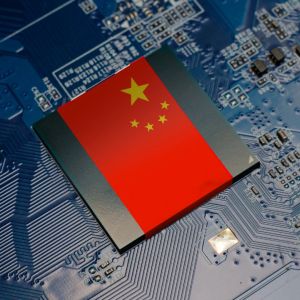
U.S. MATCH Act would cut chip equipment sales and servicing to key Chinese firms
Cryptopolitan
3 hours ago
ASIA|BUSINESS|FIAT|MARKET|REGULATION
Related Articles



Market Overview

BTC
Bitcoin
$66905.42
-0.13%

ETH
Ethereum
$2057.15
-0.16%

USDT
Tether
$0.9998
-0.00%

XRP
XRP
$1.32
+0.42%

BNB
BNB
$584.99
-0.48%